
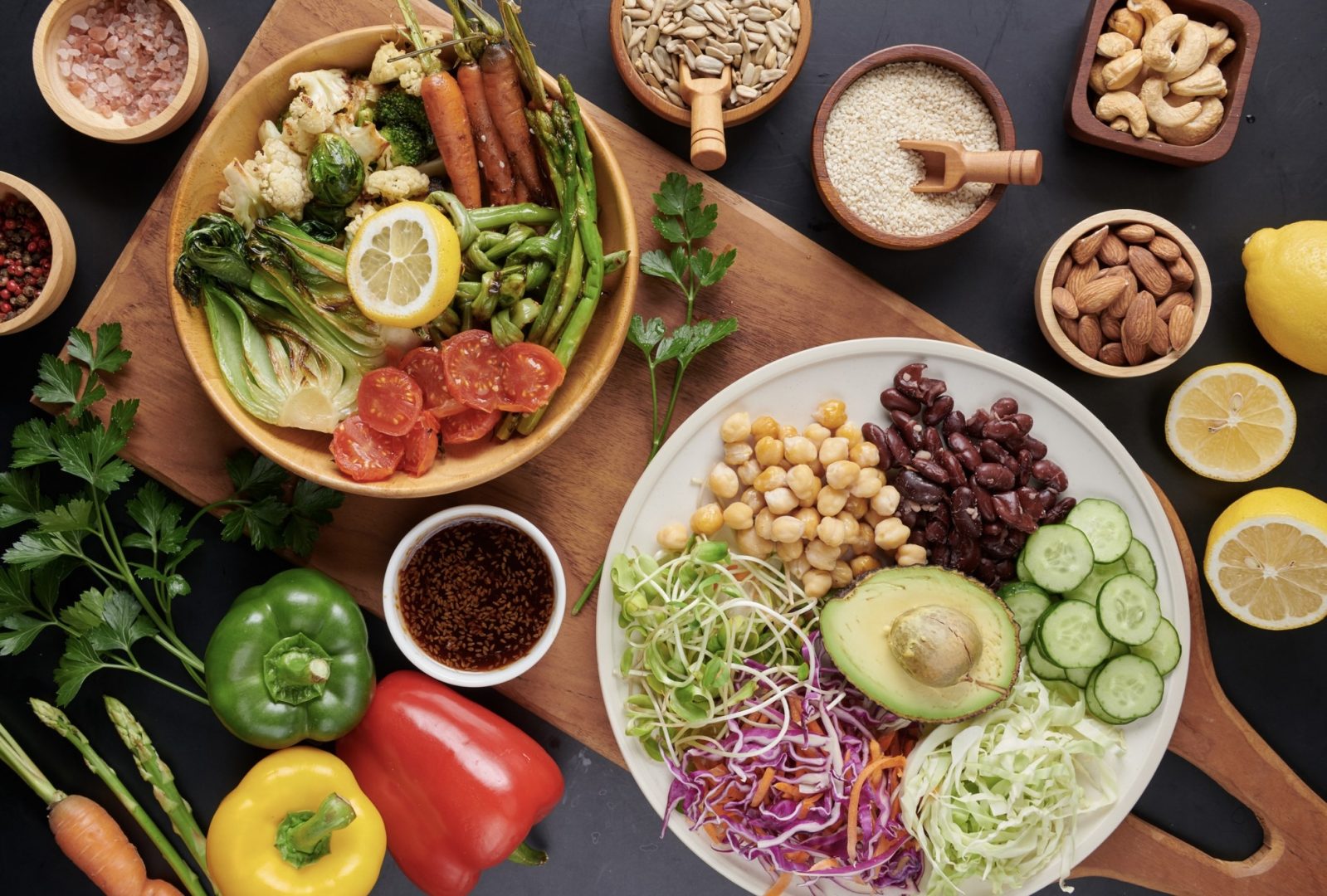
We can no longer bury our heads in the sand and pretend nothing is happening in the face of the overwhelming amount of information now available.
Refined, processed foods… are poison for our bodies. What nature offers us, in the simplest state of its being, is all we truly need to nourish ourselves.
And I deliberately use the word NOURISHMENT, which means providing our bodies with the substances they need to function properly — in terms of macronutrients (proteins, carbohydrates, and fats) and micronutrients (vitamins, minerals, and other elements). This is different from simply EATING, which often just means consuming food to satisfy the feeling of hunger.
One of the common mistakes we make is eating not to satisfy true hunger, but out of gluttony at various times of the day — to pass the time, maybe while watching a movie or studying — using food as an excuse to socialize or fill emotional voids. We end up consuming whatever is within reach, filling our bodies with sugar and junk food.
When ultra-processed foods are consumed, they cause a quick spike in dopamine — the pleasure hormone — giving an immediate sense of satisfaction, which is then followed by discomfort. This leads us to crave that pleasure again, creating a vicious cycle of addiction.
The intake of these empty yet highly palatable calories is the primary cause of excess weight and obesity, often leading us straight toward chronic illnesses such as diabetes, heart disease, degenerative diseases, and cancer.
Eating is a hedonistic act — humans derive pleasure from food — but often abuse it, seeking escape or comfort through it.
This is exactly where the importance of the term “nourishing” comes in.
When someone decides to switch to a healthier diet, it can be difficult at first. Stopping the consumption of these foods can initially cause headaches, fatigue, irritability, and even anxiety attacks. It must be seen as a real detox, requiring patience and perseverance to allow the body time to cleanse and reach a state of wellness.
To begin detoxing, the first helpful step is to drink plenty of room-temperature water and warm herbal teas (never sweetened), which help the body eliminate accumulated waste and promote fluid drainage.
Next, remove from your pantry all sweets and baked goods (cookies, cakes, packaged slices…), all kinds of desserts, snacks, pre-packaged and pre-cooked foods, sugary and carbonated drinks (including fruit juices and energy drinks).
Then, grab a large shopping bag and restock your kitchen with:
Macronutrients:
- Carbohydrates, proteins, and fats.
Micronutrients:
- Minerals and vitamins.
Specifically:
- Fish and seafood (tuna, salmon, any kind of white fish, etc.)
- White meat (chicken and turkey)
- Red meat (pork, beef, lamb, horse)
- Eggs (an excellent protein source)
- Small amounts of dairy (Greek yogurt, parmesan)
- Tofu
- Legumes
- Vegetables and fruit (avocado is excellent)
- Nuts (almonds, walnuts)
Tip: Look around your area for farms licensed to sell meat and eggs from free-range animals. Buy only fresh products, avoid frozen or pre-packaged items (it might seem complicated, but you’ll see it’s just a matter of habit).
You’re ready to begin. You have everything you need. Arm yourself with enthusiasm and willpower, and you’ll see that despite the difficulty of the initial change, those sudden hunger attacks will disappear, and above all, you’ll feel lighter and full of energy!